












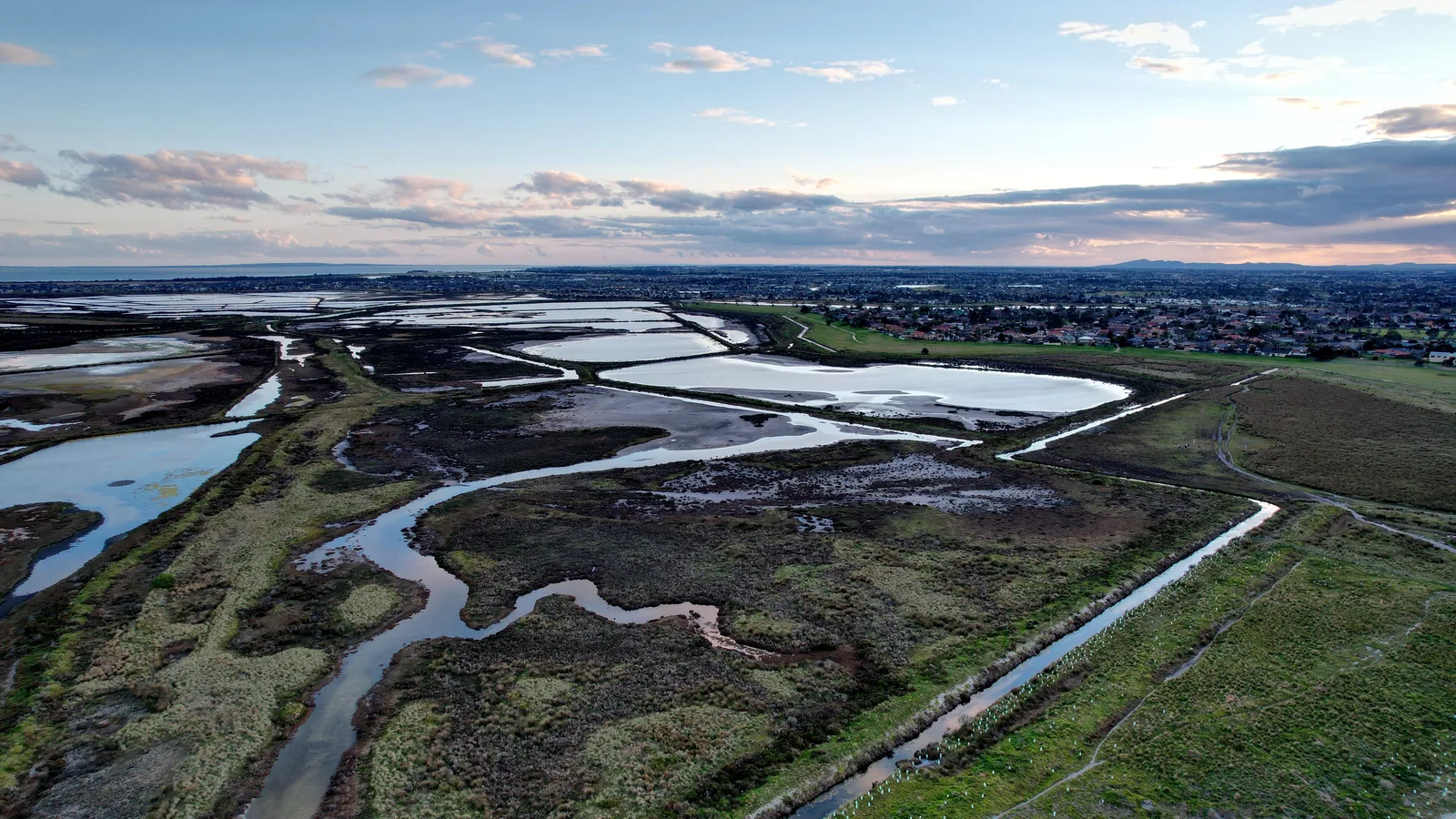
Land along the Woodbridge River where houses once stood is set to become wetlands and woodland built to soak up floodwater. The National Fish and Wildlife Foundation has approved a $4.2 million award to Rutgers University for restoration work in Avenel and Sewaren, two sections of Woodbridge Township in Middlesex County, with work expected to begin early next year.
What the money pays for
The project covers properties the state bought through New Jersey's Blue Acres program, which lets owners in flood-prone areas sell their homes to the state voluntarily and move away from the risk. Once the houses are gone, the land is left open. This work gives it a job: places to collect and briefly hold stormwater, better drainage, and restored habitat for birds and other wildlife.
The design aims to catch runoff from the developed blocks around the floodplain, store and filter it, and release it slowly into the Woodbridge River. Holding more water on the landscape is meant to reduce flooding on nearby streets. Native plants will go in and invasive vegetation will be managed, which serves wildlife and helps the land absorb water.
Who is behind it
The work is led by Brooke Maslo, an associate professor in Rutgers' Department of Ecology, Evolution and Natural Resources and a wildlife ecology specialist with Rutgers Cooperative Extension. The co-director is Jeremiah Bergstrom, a landscape architect at South Dakota State University. Woodbridge Township, the Blue Acres program in the state Department of Environmental Protection and the U.S. Fish and Wildlife Service, which is giving technical help on the ecological restoration, are partners.
Thomas Flynn, the township's floodplain manager, described the award as building on years of work by the township, its residents and its partners.
How Woodbridge got here
After Superstorm Sandy, Woodbridge began a broad flood resilience effort in 2013 and worked with Blue Acres on the buyout of more than 160 flood-prone properties. With Rutgers and other partners, the township drew up a plan for restoring the acquired land and managing floodwater across about 490 acres of the Woodbridge River floodplain. More than 30 acres of habitat inside that area have already been restored.
The partnership itself began small. Rutgers started leading public nature walks in Woodbridge in 2015; conversations with township officials on those walks turned to flooding, then to early designs and small restoration projects, and eventually to this larger award.
Trails for residents
The plans include walking trails and interpretive signs so residents can use the restored land as open space. Before construction, Rutgers undergraduate interns will gather data in spring 2027 on vegetation, wildlife and water levels, and the team will monitor the restored areas afterward, including watering new plantings and controlling invasive species.
The partners hope the project becomes a model for other towns deciding what to do with land acquired through flood buyouts.
Where it is
Avenel and Sewaren sit on the eastern side of Woodbridge Township, along the lower Woodbridge River near the Arthur Kill. The Avenel and Woodbridge stations on NJ Transit's North Jersey Coast Line are the nearest rail stops. Updates on the project come from Rutgers and from Woodbridge Township.
Loading comments…