












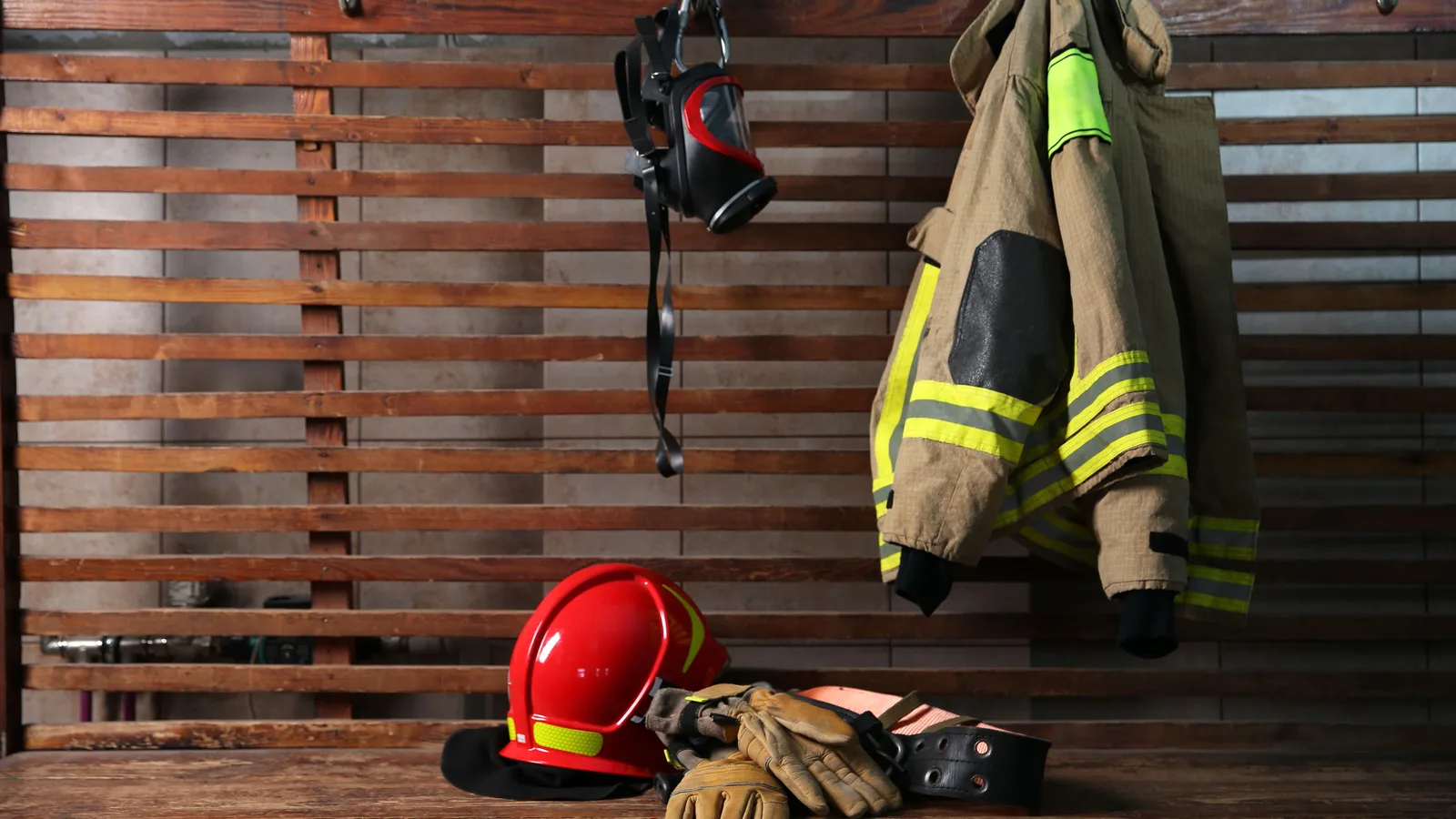
Nico Ratto is back at the Hoboken Fire Department. The 41-year-old firefighter, who received a donor heart in March, has returned to work and is easing into the job gradually, according to The Mount Sinai Hospital, where his care and transplant took place.
The return closes out a year that began in the middle of a fire. Before this winter, Ratto was a healthy runner who played soccer and spent his free time with his infant son. Nothing in his history pointed to his heart.
A stomach ache that was not a stomach ache
In January 2026, while fighting a fire, Ratto developed stomach pain severe enough that he nearly passed out. He finished his shift and then drove straight to an emergency room. Doctors there found the trouble was cardiac: heart failure, along with ventricular tachycardia, a fast and dangerously irregular heart rhythm.
Once he was stable, he was moved across the river to The Mount Sinai Hospital in Manhattan. An MRI showed scarring on his heart, genetic testing followed, and the diagnosis came back as giant cell myocarditis, a rare inflammation of the heart muscle that tends to strike younger adults and moves quickly.
Forty-five days in the hospital
Mount Sinai cardiologist Dr. Maya Barghash treated him with medication and implanted a defibrillator, and he went home on January 16. When the device kept having to shock his heart back into rhythm, she placed him on the national heart transplant waiting list.
On February 8 he was back in intensive care, with his heart, liver, kidneys and lungs all struggling. The team attached two pumps, one on each side of his heart, to keep blood moving while he waited. In all he spent 45 days in the hospital.
His family took turns so that someone was with him every night: his wife, Maria, his mother, his sisters and brothers, an uncle and an aunt. His son's first birthday was celebrated in the ICU, and so was a gender reveal, because a second child, a baby girl, arrived during his illness.
A six-hour surgery
A donor heart became available on March 17. Dr. Anelechi Anyanwu, vice chair of Mount Sinai's Department of Cardiovascular Surgery and a heart transplant specialist, performed the operation. The hospital says the surgery took about six hours, roughly half the usual length, and Ratto went home one week later.
The long walk back
Recovery has been steady and closely watched. Follow-up visits started weekly or every other week. By this fall, Ratto was having blood work every two to four weeks and seeing the transplant team monthly. He has been doing physical therapy and taking long walks, with the goal of running again.
And he has gone back to the firehouse. He is working his way back toward full duty with the department that protects the Mile Square City.
About organ donation in New Jersey
Every transplant like this one starts with a donor and a family's decision. New Jersey residents can register as organ and tissue donors through the state Motor Vehicle Commission when they get or renew a license, or online at any time through the state's donor registry, NJ Sharing Network.
Loading comments…